Reviewing the 3D Layered Flower Laser Cut for Embroidery
As a designer who spends half my life digitizing and the other half stitching, I have learned that not every beautiful graphic translates seamlessly into thread. When I first encountered the 3D Layered Flower Laser Cut, my initial reaction was one of aesthetic appreciation mixed with professional caution. The design promises depth and dimension, qualities we all strive for in high-end machine embroidery design work. However, seeing a vector file is different from watching it stitch out on a textured cotton or a stretchy jersey. This review breaks down how this specific asset performs when moved from the digital screen to the needle.
First Impressions and Visual Mood
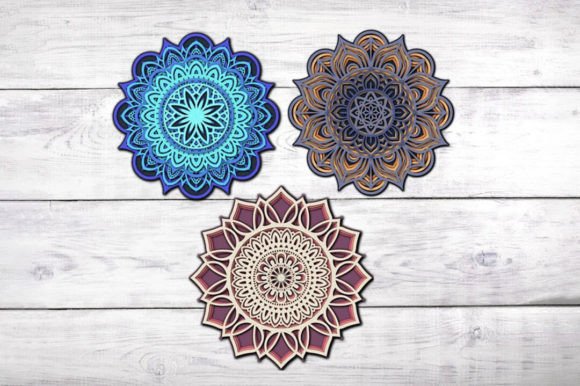
The immediate appeal of the 3D Layered Flower Laser Cut lies in its structural complexity. It does not rely on simple outlines; instead, it uses overlapping shapes to create an illusion of volume. For a Wall Decor piece made via Laser Cutting, this layering is straightforward. But for us embroidery professionals, layering implies density. The mood is romantic yet modern, suitable for boutique branding rather than generic craft fair items. It feels intentional. When I visualize this on a product, I see it working best where the fabric can support the weight of the stitches without puckering. It is not a subtle accent; it is a statement piece.
Real-World Application: The Custom Tote Bag Scenario
To truly test a design, I imagine it in a real client scenario. Recently, I was commissioned to create a line of premium tote bags for a local florist. She wanted something that echoed the organic layers of her bouquets but remained durable. I considered the 3D Layered Flower Laser Cut for this tote bag design. The challenge here is the fabric. Canvas is sturdy, but it has a weave that can interfere with fine details.
If I were to use this design, I would need to ensure that the "layers" in the digital file translate to distinct color changes or stitch types in the embroidery file. A flat fill stitch might lose the 3D effect. Instead, I would look at using a combination of satin stitch for the edges to define the petals and a lighter fill stitch for the centers. This approach maintains the visual hierarchy of the original laser-cut concept while adapting it for thread. The result would be a handmade product that feels substantial and expensive, justifying a higher price point for the seller.
Navigating Fabric and Hoop Constraints
One must be realistic about where this design belongs. It is not a one-size-fits-all solution. For sweatshirt embroidery, the plush texture of fleece can swallow small details. If the layers in the 3D Layered Flower Laser Cut are too thin, they may get lost in the pile of the fabric. In such cases, increasing the stitch density slightly or choosing contrasting thread colors becomes critical.
Similarly, using this on curved surfaces like caps requires careful hoop management. A large, dense floral design can cause distortion if the hoop size is not appropriate for the machine’s field. I would advise against using this on very thin, stretchy fabrics like lightweight rayon unless you are an expert in stabilization. The tension required to keep the layers aligned could easily warp a delicate garment. For baby embroidery, comfort is paramount. If the back of the stitching feels rough due to multiple layers of thread, it is not suitable for direct skin contact. In those instances, consider it for a patch rather than direct application.
Commercial Viability for Etsy Sellers
For the Etsy seller or small shop product creator, uniqueness drives sales. The 3D Layered Flower Laser Cut offers a distinctive look that stands out in a sea of basic monograms. When creating printable mockup images for your online store, this design photographs well because the shadows created by the layered effect add depth even in 2D images. This enhances buyer engagement and trust, as the product looks professional and well-thought-out.
However, commercial success depends on execution. If you are selling custom apparel or personalized gift items, consistency is key. You must ensure that every unit stitched looks identical. This means documenting your stabilizer choice, thread brand, and tension settings. A design this detailed leaves little room for error. A skipped stitch or poor registration between layers will be immediately visible and can damage your brand’s reputation for quality.
Technical Considerations and Designer Notes
Before committing to a full production run, there are several practical steps every designer should take. First, always test the design on scrap fabric that matches your final product. Check how the thread colors interact. Does the dark outline bleed into the light fill? Is the contrast sufficient to show the layers?
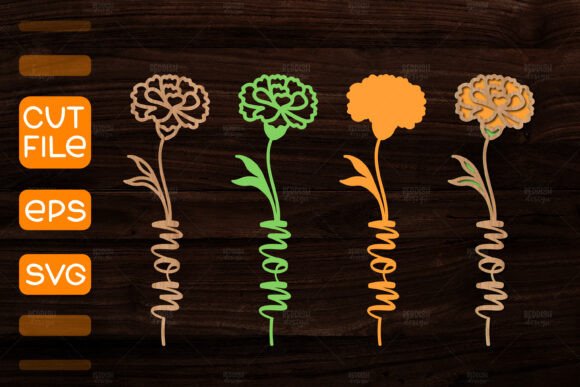
Second, inspect the file format details. The product description mentions receiving SVG and EPS files in a ZIP folder. These are vector formats typically used for cutting or graphic design, not necessarily native embroidery formats like PES or DST. As an embroidery professional, you will likely need to digitize these vectors yourself or convert them using specialized software. This is a crucial distinction. Do not assume the downloaded files are ready-to-stitch digital embroidery file formats for your machine. You must verify the license terms regarding conversion and commercial use. If the license allows for modification, you have the freedom to adjust stitch paths for better performance.
Third, consider the appliqué design technique. If the original laser-cut design relies on physical layers of material, you might replicate this in embroidery by using fabric appliqué for the larger petals and stitching only the details. This reduces bulk and stitch count, making the item more comfortable and faster to produce. It is a smart adaptation for commercial embroidery where time is money.
Final Verdict on Design Utility
The 3D Layered Flower Laser Cut is a potent asset for designers who understand the limitations and strengths of their medium. It is not a plug-and-play solution for beginners, but for experienced crafters, it offers a pathway to creating sophisticated design assets. Whether used for holiday embroidery on home textiles or as a signature element on a finished product line, it demands respect and technical precision.
By carefully selecting the right fabric, optimizing the stitch types, and respecting the mechanical limits of your embroidery machine, you can transform this digital concept into a tangible, high-value item. It bridges the gap between the crisp precision of Laser Cutting and the tactile warmth of thread. For those willing to put in the preparatory work, it is a worthwhile addition to your creative toolkit.