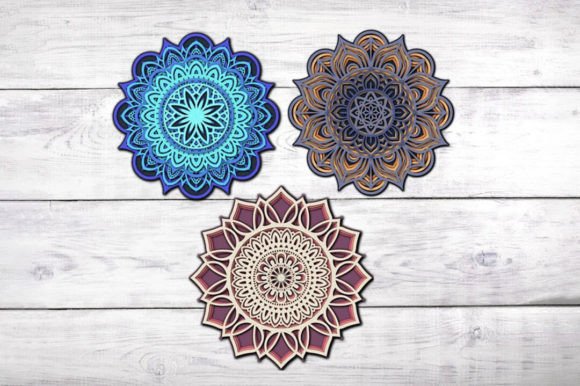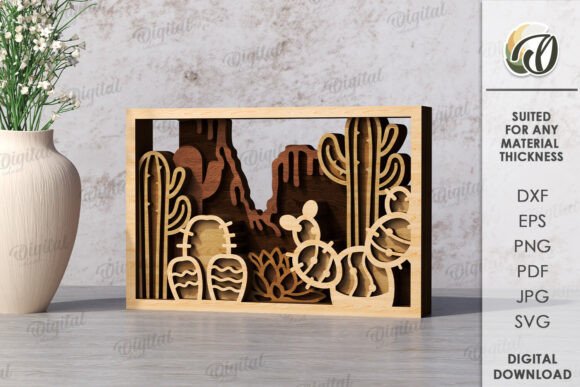
Reviewing 3D Layered Home Decor for Embroidery
As a designer who has spent years translating digital concepts into thread, I approach every new asset with a mix of curiosity and caution. When I first encountered 3D Layered Home Decor, my initial reaction was not just about the aesthetic appeal, but about its structural integrity when translated from a screen to fabric. While the product description highlights its origins in Wall Decor and Laser Cutting, my focus was strictly on how this design translates into a viable machine embroidery design for real-world applications.
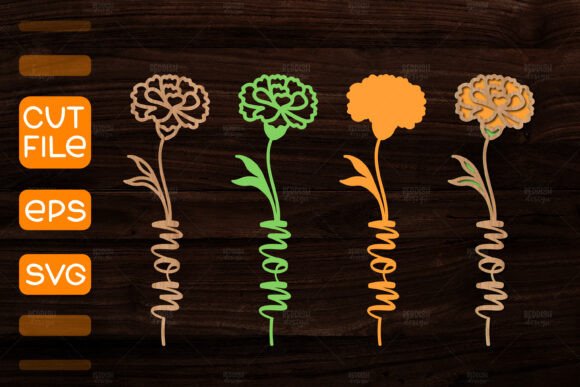
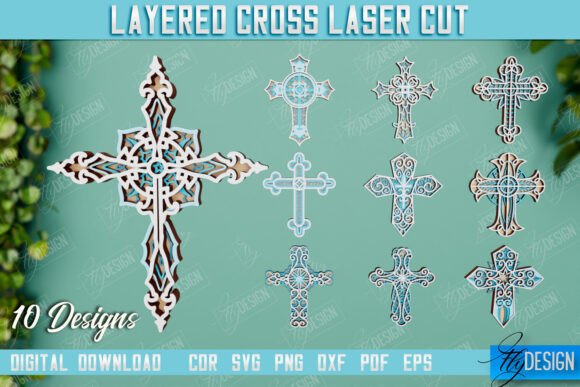
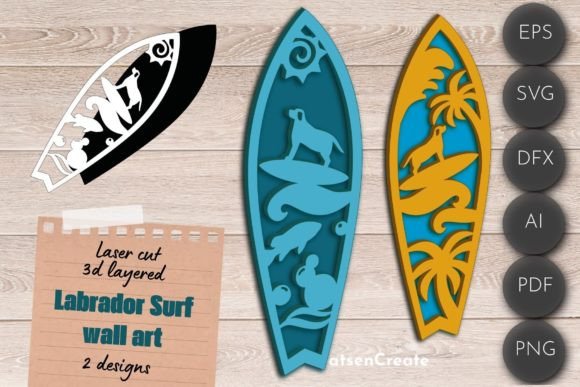
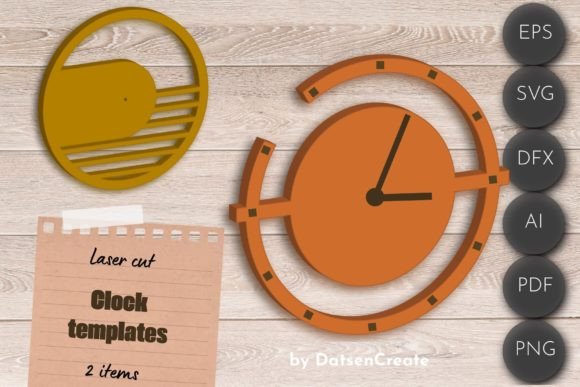
The first impression of 3D Layered Home Decor is one of depth and modern minimalism. The layout suggests a sophisticated mood, ideal for contemporary interiors. For an embroidery designer, this visual personality is crucial. It does not scream for attention with chaotic details; instead, it relies on clean lines and balanced negative space. This makes it a strong candidate for projects where subtlety is valued over flashiness. However, the term "3D" in embroidery often implies complex layering or high-density stitching, which requires careful planning to avoid puckering or fabric distortion.
Real-World Application: The Custom Tote Bag Test
To truly evaluate 3D Layered Home Decor, I imagined a specific scenario: preparing a custom embroidered tote bag for a boutique client. Tote bags are a staple for Etsy sellers and small shop products because they offer a large, flat canvas. In this context, the design’s layered appearance could mimic the look of appliqué without the extra labor of cutting and fusing fabric pieces. If executed correctly, the embroidery file would create a textured effect that elevates a simple cotton canvas into a high-end handmade product.
I considered how customers might react to this on a finished item. A shopper looking for a personalized gift or a unique accessory wants something that looks professional. If 3D Layered Home Decor is stitched with precise thread colors that contrast well against the bag’s fabric, it signals quality. The visual clarity of the layers can enhance brand consistency for a creative entrepreneur, making the finished product instantly recognizable as part of a curated collection.
Performance Across Different Embroidery Projects
Beyond tote bags, the versatility of this design extends to various custom apparel items. For sweatshirt embroidery, the thicker fabric provides a stable base that can handle moderate stitch density. The design’s structure would sit well on the chest or back of a hoodie, offering a modern graphic element that appeals to younger demographics. Similarly, for baby embroidery on onesies or burp cloths, the clean lines ensure that the design remains legible even at smaller scales, provided the stitch count is appropriate for delicate fabrics.
However, applying 3D Layered Home Decor to curved surfaces like caps requires caution. The rigidity needed to maintain the "layered" look might conflict with the curvature of a baseball cap front panel. In such cases, using a stiff stabilizer is non-negotiable. For flat items like pillow covers or tea towels, the design shines. It adds a decorative accent that feels intentional and designed, rather than just slapped on. This is particularly valuable for holiday embroidery projects where buyers seek festive yet stylish decor.
Critical Considerations for Stitching Success
While the aesthetic potential is high, there are areas where 3D Layered Home Decor demands careful handling. One major concern is fabric texture. On highly textured materials like terry cloth or heavy linen, fine details may get lost. The "layers" might blend together if the running stitch or satin stitch elements are too thin. I recommend testing the design on scrap fabric first, specifically checking how the threads interact with the weave.
Another critical factor is hoop size. Although the product is marketed for laser cutting, embroiderers must ensure the design fits within their machine’s maximum hoop area. If the design is large, breaking it into sections or reducing the scale might be necessary, but this risks losing the intricate layering effect. Additionally, on stretchy fabrics like jersey knits used in t-shirts, improper stabilization can lead to distortion. The design’s geometric nature means any warping will be immediately visible, undermining the professional look.
Dense stitch areas are another point of scrutiny. If the "3D" effect is achieved through heavy fill stitch coverage, it can make the fabric stiff and uncomfortable, especially on wearable items like custom apparel. Balancing visual impact with wearability is key. For items that need frequent washing, such as kitchen towels or baby clothes, ensuring the stitches are secure and the thread quality is high is essential to prevent unraveling or fading.
Enhancing Visual Appeal and Brand Value
From a business perspective, 3D Layered Home Decor can significantly boost product value. A well-executed embroidery project conveys craftsmanship and attention to detail. For commercial embroidery clients, this translates to higher perceived value and potentially higher price points. The design’s modern aesthetic aligns well with current trends in home decor and fashion, making it a versatile asset for design assets libraries.
Using printable mockup tools to preview the design on different backgrounds is a smart step before production. Checking how 3D Layered Home Decor looks in black and white can reveal contrast issues that might not be apparent in color. This practice helps in selecting the right thread colors to ensure the layers remain distinct. For Etsy sellers, having high-quality images of the stitched design can improve buyer engagement and trust, as customers can see exactly what they are purchasing.
Practical Designer Notes and Final Verdict
Before committing to a full production run, I advise all makers to conduct thorough tests. Verify the embroidery file format compatibility with your machine. Since the product description mentions SVG, DXF, EPS, and PDF, it is primarily geared towards laser cutting or digital crafting. If you are using this for embroidery, you may need to convert these vectors into a stitch file using specialized software, or ensure that the provider offers native embroidery formats like PES or DST. Always confirm licensing terms before selling finished product items or using the design in digital product previews.
Inspect small details closely. Are the corners sharp? Is the spacing between layers consistent? These micro-details determine whether the design looks amateur or professional. Use the appropriate stabilizer for your fabric type—cut-away for stretchy knits, tear-away for stable wovens. Test on both light and dark fabrics to assess visibility.
In conclusion, 3D Layered Home Decor offers a compelling visual narrative for modern embroidery projects. Its strength lies in its clean, layered aesthetic that translates well to flat surfaces like tote bags, pillow covers, and wall hangings. While it requires careful attention to stitch density and stabilization, especially on challenging fabrics, the result can be a sophisticated handmade product that stands out in a crowded market. For craft business owners and hobbyists alike, this design is a worthwhile addition to the toolkit, provided it is approached with technical precision and creative insight.