A Designer’s Take on the American Soldier Layered SVG
As someone who has spent years analyzing digital files for real-world production, I approach every new machine embroidery design with a mix of curiosity and caution. We have all seen files that look stunning on a screen but turn into a tangled mess under the needle. Recently, I evaluated the American Soldier Layered SVG Design, a piece that promises to honor bravery and patriotism through detailed tactical imagery. While the product description highlights its utility for Laser Cutting and Wall Decor, my focus was strictly on how this asset translates to textile applications for crafters and small business owners.
First Impressions: Mood and Visual Personality
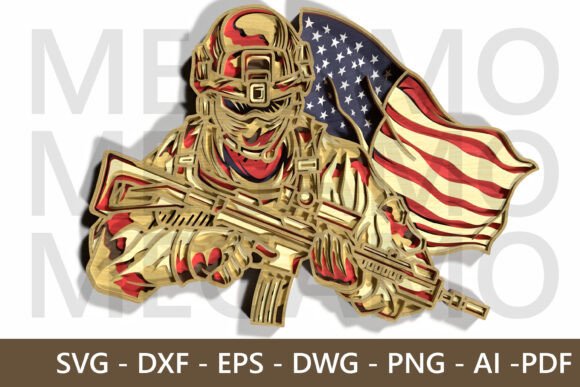
The first thing that strikes you about this design is its bold, graphic nature. It features a soldier in tactical gear proudly holding the U.S. flag, rendered in clean, distinct layers. For an embroidery designer, this layering is crucial. It suggests that the file was built with separation in mind, which often translates well to stitch planning. The mood is respectful and strong, avoiding overly cartoonish proportions in favor of a dignified silhouette. This visual personality makes it a natural fit for projects where sentiment matters, such as memorial gifts, veteran appreciation items, or patriotic holiday merchandise.
However, because the original file is optimized for laser cutting, the lines are sharp and closed. In embroidery, we cannot simply "cut" fabric; we must fill space with thread. This means the transition from vector path to stitch path requires careful consideration of stitch density and direction. The design does not rely on tiny, fragile details that might break during stitching, which is a positive sign for durability.
Real-World Application: From Screen to Stitch
To truly test the viability of this embroidery file, I imagined a specific scenario: creating a custom sweatshirt embroidery piece for a local veteran’s group. The goal was a chest-left logo that commands respect without overwhelming the garment. When visualizing the American Soldier Layered SVG Design in this context, the layered structure allows for creative color blocking. You could use a solid fill for the uniform and a satin border for the flag, creating depth without excessive bulk.
Beyond apparel, this design has strong potential for home goods. Imagine it stitched onto a heavy canvas tote bag design or a durable apron for a barbecue shop. The bold shapes hold up well against the texture of coarse fabrics. For Etsy sellers looking to expand their craft business inventory, this could serve as a centerpiece for a patriotic collection. It works equally well as a standalone motif or as part of a larger composition involving text or additional graphical elements.
Where Caution Is Required
While the design is robust, it is not universally applicable without adjustment. Here are specific scenarios where you should proceed with care:
- Small Hoop Sizes: If you attempt to shrink this design for a 4x4 inch hoop, the intricate details of the tactical gear may merge. Always check the minimum scalable size before committing to a small embroidered patch.
- Stretchy Fabrics: On thin or stretchy materials like performance tees, the weight of the fill stitches can cause puckering. A sturdy stabilizer is non-negotiable here.
- Dark Fabrics: If stitching on black or navy, ensure your thread colors have enough contrast. The flag elements need to pop, or the design will lose its impact.
- Curved Surfaces: Applying this to a cap requires careful hooping. The width of the soldier’s stance might be too wide for standard front-panel caps unless scaled down significantly.
Enhancing Product Value and Brand Consistency
For small shop product creators, the perceived value of a handmade product often hinges on execution quality. A clean, well-digitized version of this design signals professionalism. It builds customer trust because it shows attention to detail. When buyers see crisp edges and consistent coverage, they associate that quality with your brand. This is particularly important for personalized gift items, where emotional connection drives the purchase.
Using this design in your portfolio can also help with brand consistency if your niche leans toward patriotic or military-support themes. It serves as a recognizable design asset that customers can identify across different products, from baby embroidery onesies to kitchen towels. However, remember that the original file is a SVG for laser cutting. To use it for embroidery, you must either find a compatible digitized version or convert it using professional software, ensuring you adjust for satin stitch widths and fill stitch angles.
Practical Notes for the Embroidery Designer
Before you list this as a commercial embroidery item or sell finished goods, take these practical steps:
- Test on Scrap Fabric: Never run a new design directly on customer goods. Use similar material to test tension and registration.
- Check Thread Contrast: Mock up the design in black and white first. If the layers disappear in grayscale, they will likely blend together in low-light conditions or on busy backgrounds.
- Review Stitch Density: If you are digitizing this from the SVG yourself, avoid over-packing the fill areas. High density leads to stiffness and thread breaks.
- Confirm Licensing: Since the source is a layered SVG intended for laser cutting, verify the license terms. Ensure you have the right to use the underlying artwork for commercial textile products. Not all digital art licenses transfer automatically between crafting mediums.
- Inspect Small Details: Zoom in on the flag folds and gear straps. In embroidery, tiny isolated stitches can pull out. Consider merging small elements or using a running stitch for fine outlines.
Final Verdict
The American Soldier Layered SVG Design offers a strong foundation for patriotic textile projects. Its clear layers and bold composition make it adaptable for various embroidery project types, from holiday embroidery decor to everyday custom apparel. While it originates as a laser-cut file, its visual strength translates well to stitch when handled with proper digitizing techniques. For digital embroidery file sellers and makers alike, this design represents a viable option for creating meaningful, high-quality finished product items. Just remember to respect the technical limits of your machine and fabric, and always prioritize a test stitch to ensure the final result honors the subject matter with the dignity it deserves.