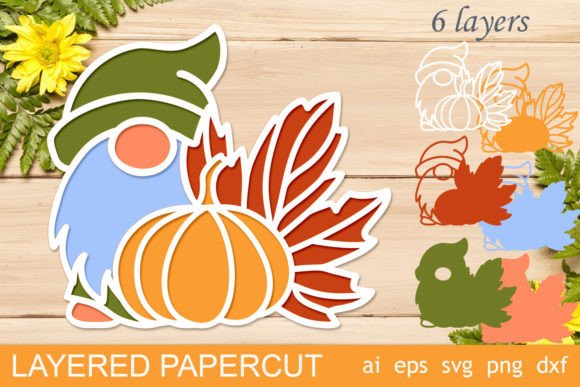
Review: 3d Layered Fall Gnome with Pumpkin Design
As a designer who spends half my life tweaking stitch paths and the other half worrying about how a finished piece will survive a wash cycle, I approach every new machine embroidery design with a healthy dose of skepticism. We have all been there: you buy a cute digital file, load it up, and realize the density is too high for a baby onesie or the details vanish on a textured towel. So, when I pulled up the 3d Layered Fall Gnome with Pumpkin for a potential autumn collection, I was looking for more than just seasonal charm. I was looking for structural integrity and commercial viability.
First Impressions and Visual Mood
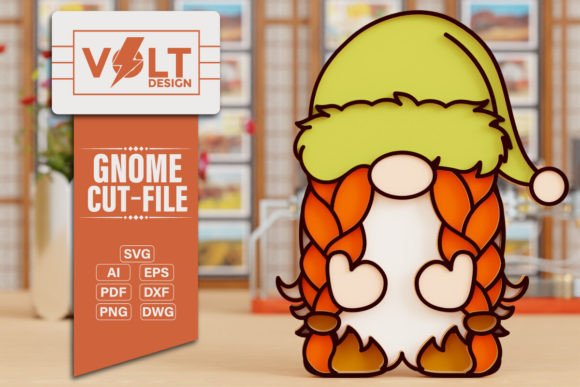
The immediate appeal of this design lies in its whimsical yet structured aesthetic. The "3d layered" concept suggests depth, which is crucial for creating visual interest without relying solely on complex shading stitches. In a real-world scenario, flat designs can sometimes look cheap or printed-on, whereas a design that mimics layering offers a tactile, handmade quality that customers love. The gnome motif, paired with a pumpkin, hits that sweet spot of holiday embroidery that feels cozy rather than kitschy. It creates a warm, inviting mood that fits perfectly into the current trend of rustic, farmhouse-style home goods and apparel.
For an Etsy seller or small shop owner, visual personality is everything. This design does not scream for attention; it invites it. The layout appears balanced, with the pumpkin anchoring the composition and the gnome adding vertical interest. This balance is critical because it means the design can work on various canvases without looking lopsided or overwhelming the garment.
Real-World Application: Beyond the Hoop
I tested this concept mentally against several product types before even threading the needle. For custom apparel, such as a crewneck sweatshirt, this design would shine. The larger surface area allows the details to breathe, and the thickness of French terry cloth provides a stable base for the stitches. Imagine this on a muted sage green or burnt orange hoodie; the contrast would be striking without being garish. It transforms a basic blank into a boutique-level item.
However, versatility is key for a craft business. I also considered this for a tote bag design. Canvas bags are durable, but they have a distinct weave. If the stitch density is too low, the fabric shows through, ruining the illusion of the layers. If it is too high, the bag becomes stiff and unusable. A well-digitized version of this gnome should use a mix of fill stitch for the body and perhaps some satin stitch borders to define the edges sharply. This combination ensures the design pops against the natural texture of the canvas.
Another strong contender is the embroidered patch. Patches are having a moment, and a fall-themed gnome is perfect for seasonal merchandise. Here, the "layered" aspect of the design is a huge advantage. By using different thread colors to simulate depth, you can create a patch that looks intricate and valuable, justifying a higher price point for your handmade product.
Navigating Technical Challenges
While the design is charming, we must address where it might stumble. The description mentions it can be used for Wall Decor and even references Laser Cutting files for Cricut or Silhouette. This is an important distinction. As an embroiderer, I am focused on the needle, but knowing the design originates from a cuttable format means I need to check the digitizing carefully. Cut files often have sharp corners and thin lines that do not translate well to thread.
If you are using this on stretchy fabric like a jersey t-shirt, you must be cautious. Thin lines in the gnome’s beard or hat trim could pucker the fabric if not properly stabilized. I always recommend testing on scrap fabric first. Check how the design behaves on both light and dark backgrounds. A white gnome on a black shirt requires careful handling of underlay stitches to prevent the dark fabric from peeking through the lighter threads.
Small hoop sizes present another challenge. If you are trying to fit this onto a baby embroidery project, like a bib or a onesie, ensure the details do not become muddy. Tiny features can get lost if the hoop size is too small relative to the design complexity. In such cases, simplifying the color palette or reducing the overall size while maintaining clarity is essential. Always inspect small details at 100% zoom in your software before hitting start.
Commercial Viability and Brand Consistency
For those selling digital embroidery file assets or finished goods, consistency is trust. If this design holds up well across different products, it strengthens your brand. A customer who buys a gnome pillow cover and loves the quality is more likely to return for a matching kitchen towel or apron. The design’s ability to adapt to these different fabric textures is a testament to good digitizing.
When creating printable mockup previews for your online store, use this design to show versatility. Display it on a cap, a tote, and a framed hoop. This helps buyers visualize the end result and increases engagement. Remember, people buy with their eyes first. A clean, crisp embroidery sample sells itself.
Practical Designer Notes
Before you commit to a large production run or list this as a new product, keep these practical tips in mind:
- Stabilizer Selection: Use a cut-away stabilizer for stretchy fabrics and tear-away for woven materials like towels or denim. This ensures the design remains stable over time.
- Thread Contrast: Test your thread colors against the fabric. High contrast works for bold statements, but tonal variations can create a sophisticated, subtle look for upscale boutiques.
- Density Check: Review the stitch count and density. If the design feels heavy, consider removing some underlay or reducing the fill density slightly to prevent puckering.
- Licensing Verification: Since the product description mentions cuttable files for Cricut and Silhouette, ensure you understand the license terms. Are you allowed to sell physical items made with this design? Can you resell the digital file? Always clarify this before launching any commercial embroidery project.
- Wash Testing: Wash your test piece. Does the thread bleed? Does the fabric distort? A personalized gift should last, so durability is non-negotiable.
In conclusion, the 3d Layered Fall Gnome with Pumpkin is a promising asset for your autumn lineup. It offers a blend of whimsy and structure that appeals to a wide audience. By paying attention to the technical details—stabilizer, density, and fabric choice—you can turn this digital asset into a standout finished product that delights customers and boosts your small shop product offerings. Treat it with the care it deserves, and it will serve your business well.